In the past several months, I’ve had the privilege of contributing to a series of high‑level policy and governance conversations that reveal where sustainable tourism is heading — from global frameworks to city‑level practice. These engagements underscore a central reality: tourism is not a sector to be managed in isolation, but a system interwoven with biodiversity conservation, community wellbeing, and governance transformation.
Tourism Governance and Conservation at the IUCN World Conservation Congress
In November, at the IUCN World Conservation Congress in Abu Dhabi, conservation, governance, and tourism intersected in ways that are both urgent and overdue. The Congress reaffirmed that protecting ecosystems under accelerating global change requires governance systems capable of integrating ecological, social, and institutional dimensions. Rather than seeing tourism solely as a threat, discussions showcased its potential as a mechanism for conservation finance, community resilience, and adaptive management — provided tourism is governed with purpose and strategic integration across disciplines.
🔗https://www.linkedin.com/posts/ante-mandi%C4%87-b1398850_iucn-worldconservationcongress-tourismgovernance-activity-7384520843726401536-MjIg?utm_source=social_share_send&utm_medium=member_desktop_web&rcm=ACoAAArSsD8B_pCxUV1GHvvHBZLpg8NqKnYJ3sY
A European Vision for Sustainable Tourism Monitoring
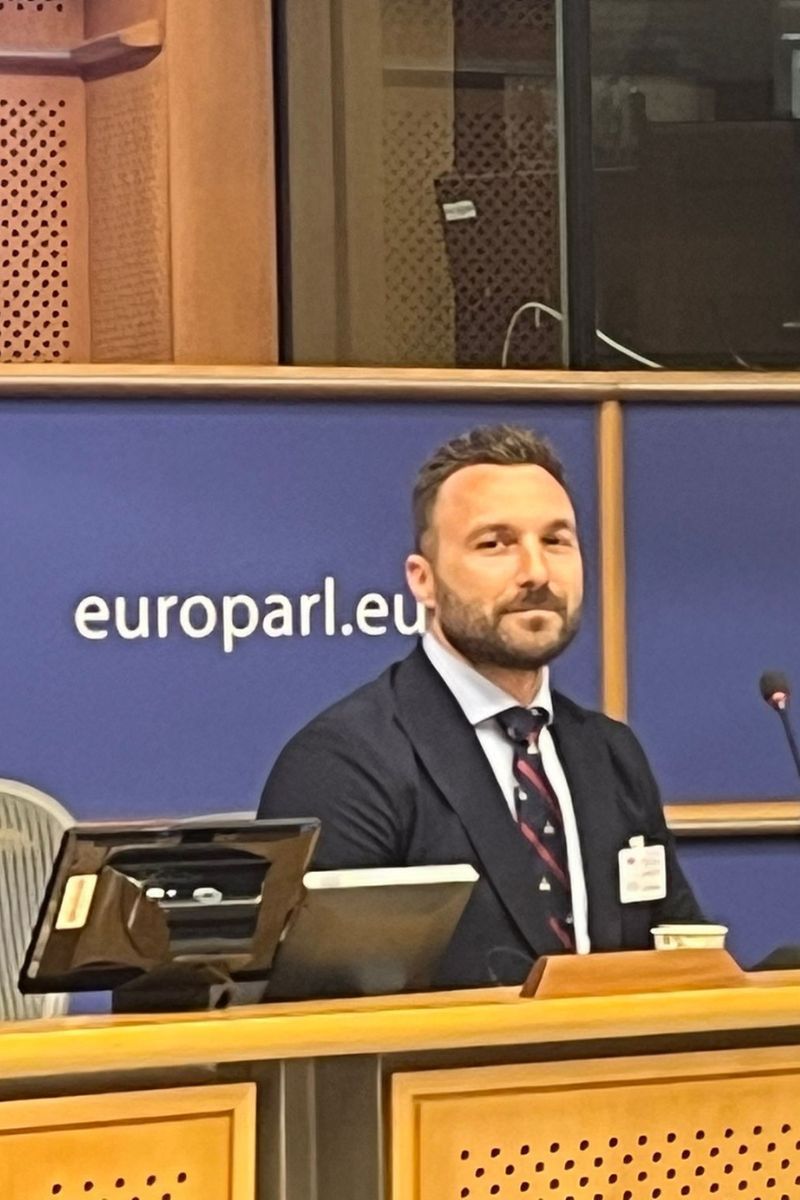
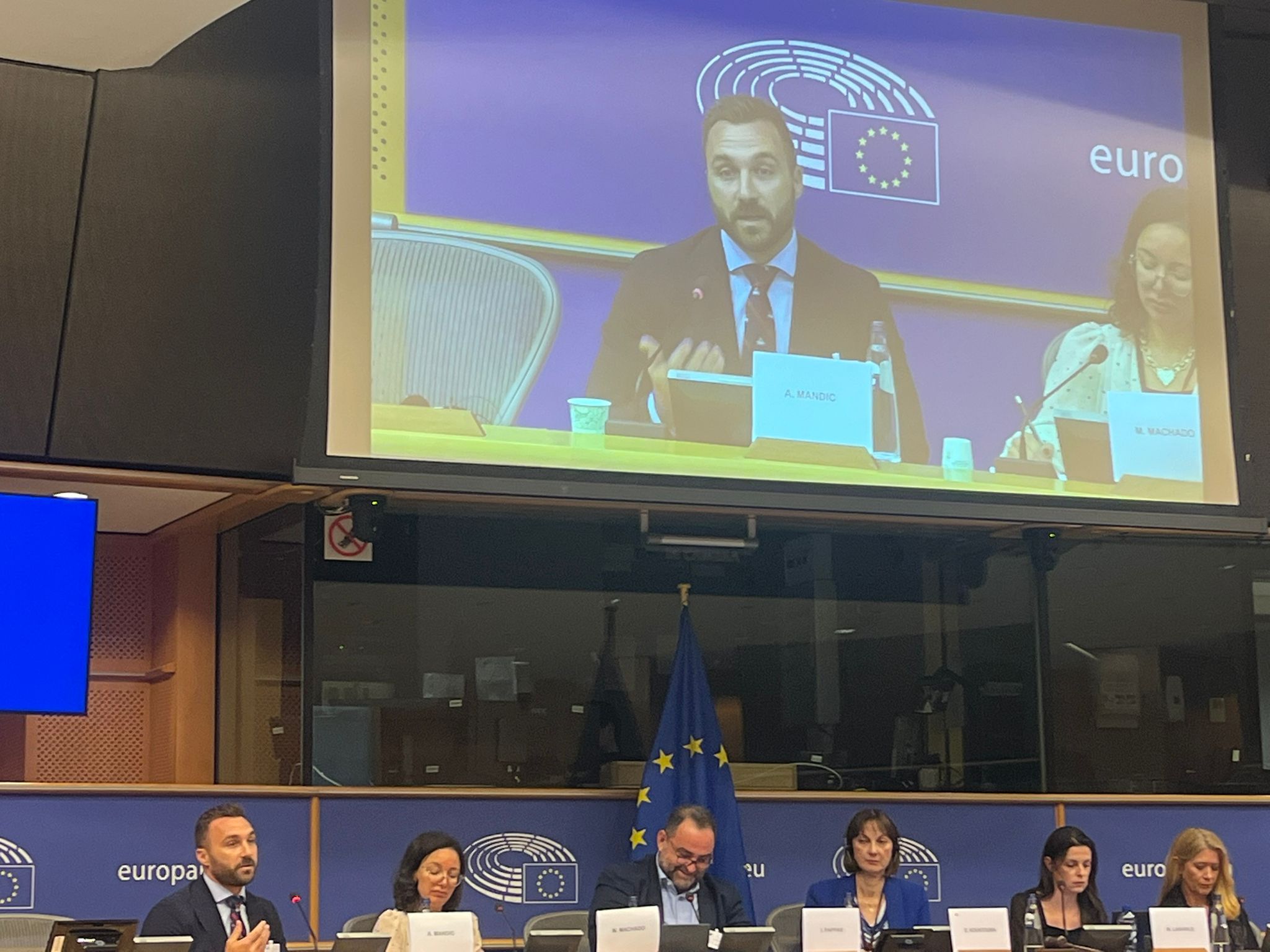
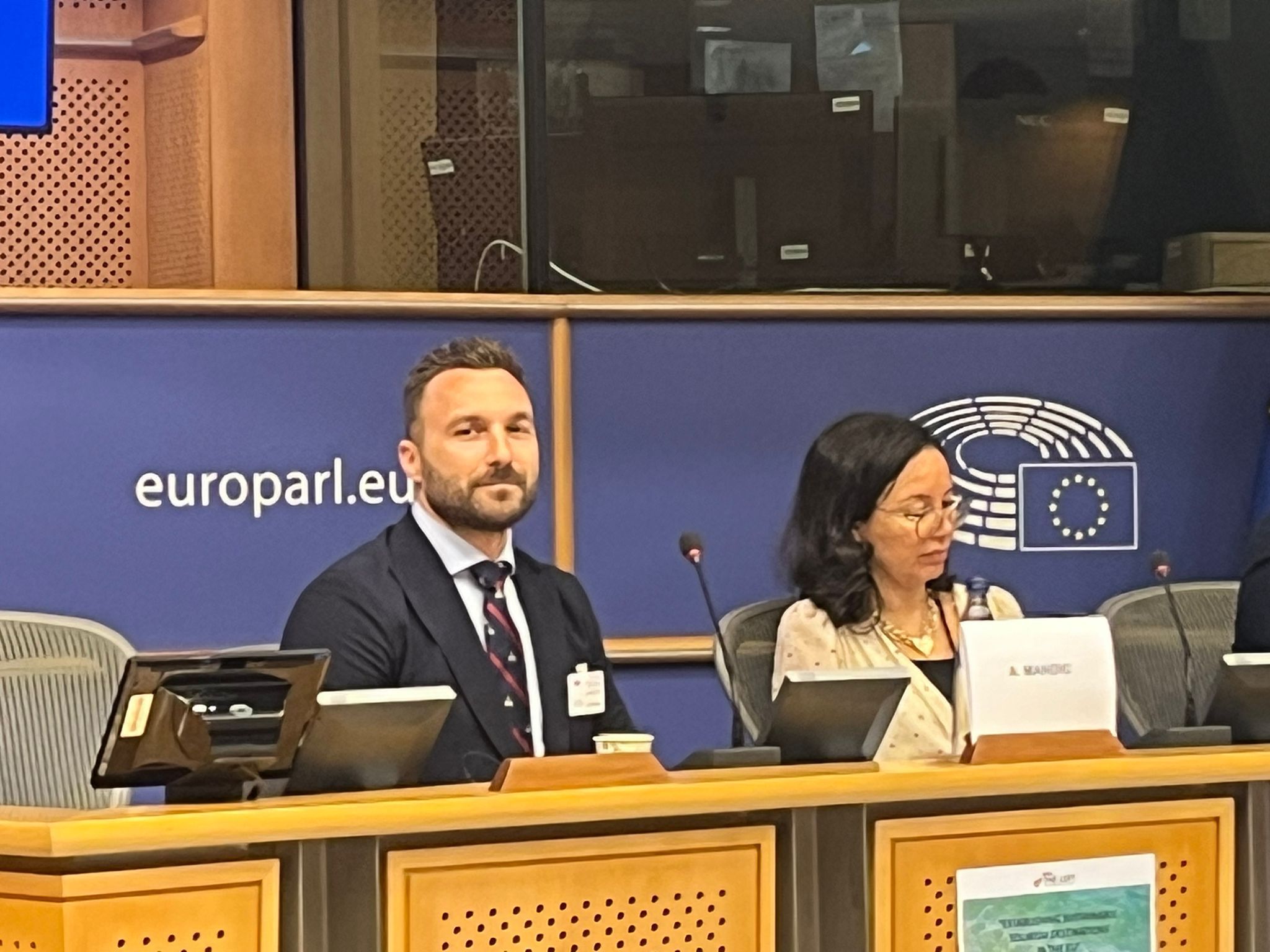
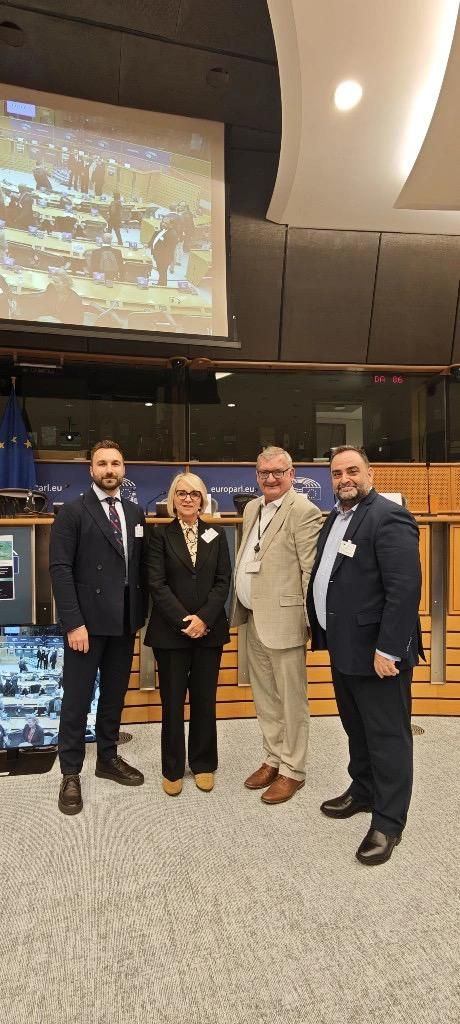
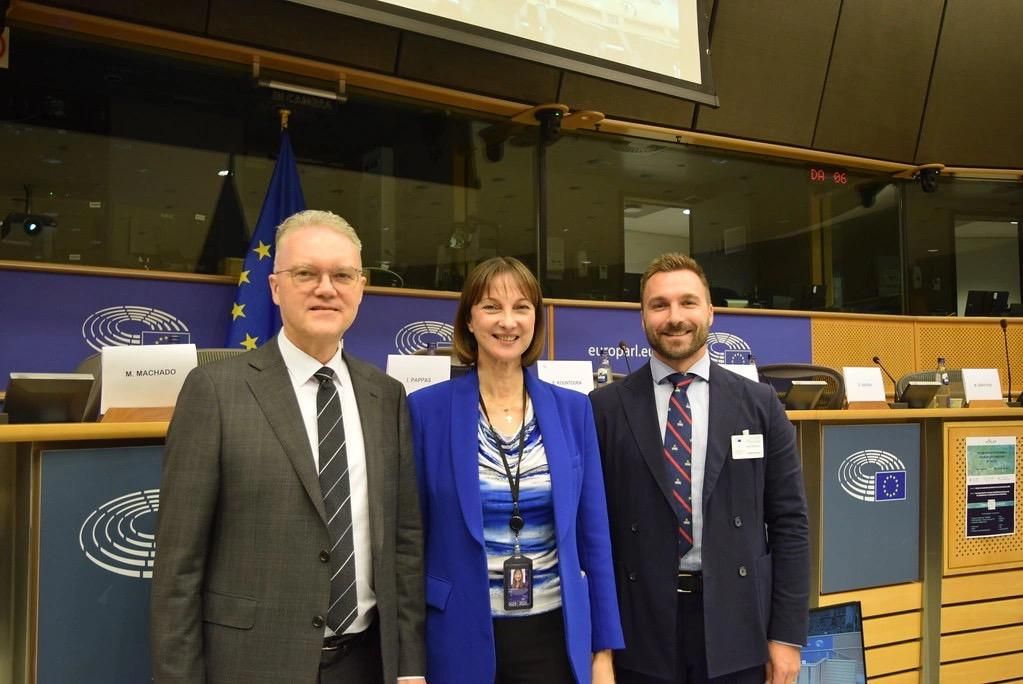
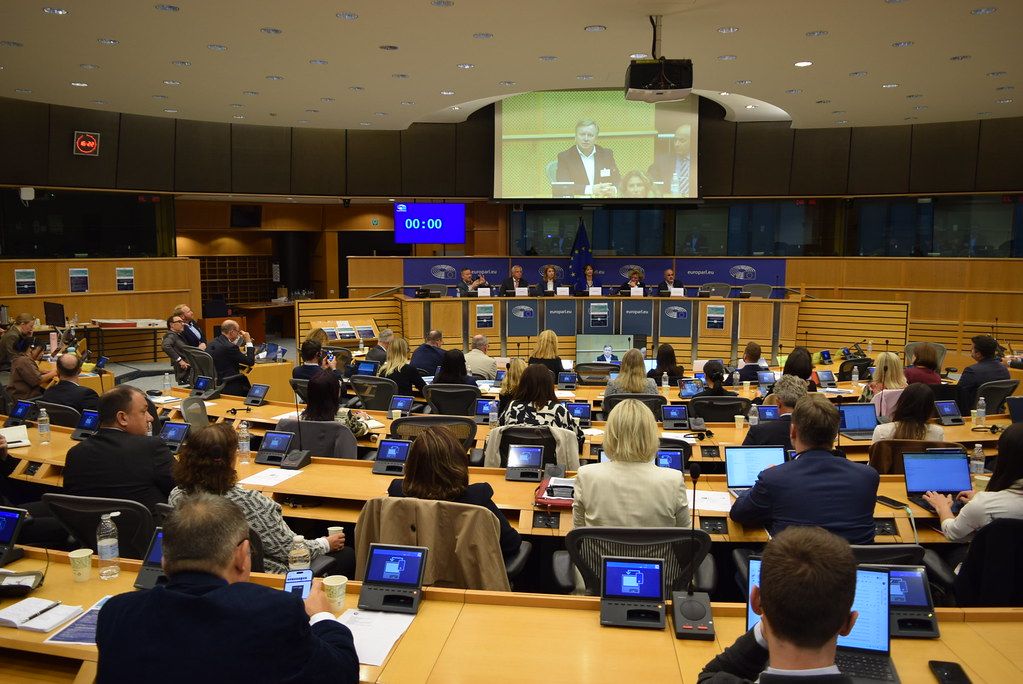
In early October in Brussels, I participated in a high‑level panel at the European Parliament convened by MEP Elena Kountoura on “Establishing Sustainable Tourism Destinations in the European Union.” Bringing together representatives from UN Tourism, the OECD, the European Travel Commission, GSTC, and other stakeholder groups, the session emphasized that achieving sustainability goals in tourism depends on institutionalizing data, monitoring, and accountability. The dialogue made clear that without policy frameworks capable of tracking destination performance and aligning incentives, ambitions for sustainable tourism remain aspirational rather than operational. You can read my reflections on this event here:
🔗https://www.linkedin.com/posts/ante-mandi%C4%87-b1398850_tourismpolicy-euparliament-sustainabletourism-activity-7379792348316319744-HPy5?utm_source=social_share_send&utm_medium=member_desktop_web&rcm=ACoAAArSsD8B_pCxUV1GHvvHBZLpg8NqKnYJ3sY
Mediterranean Vision for Sustainable Tourism
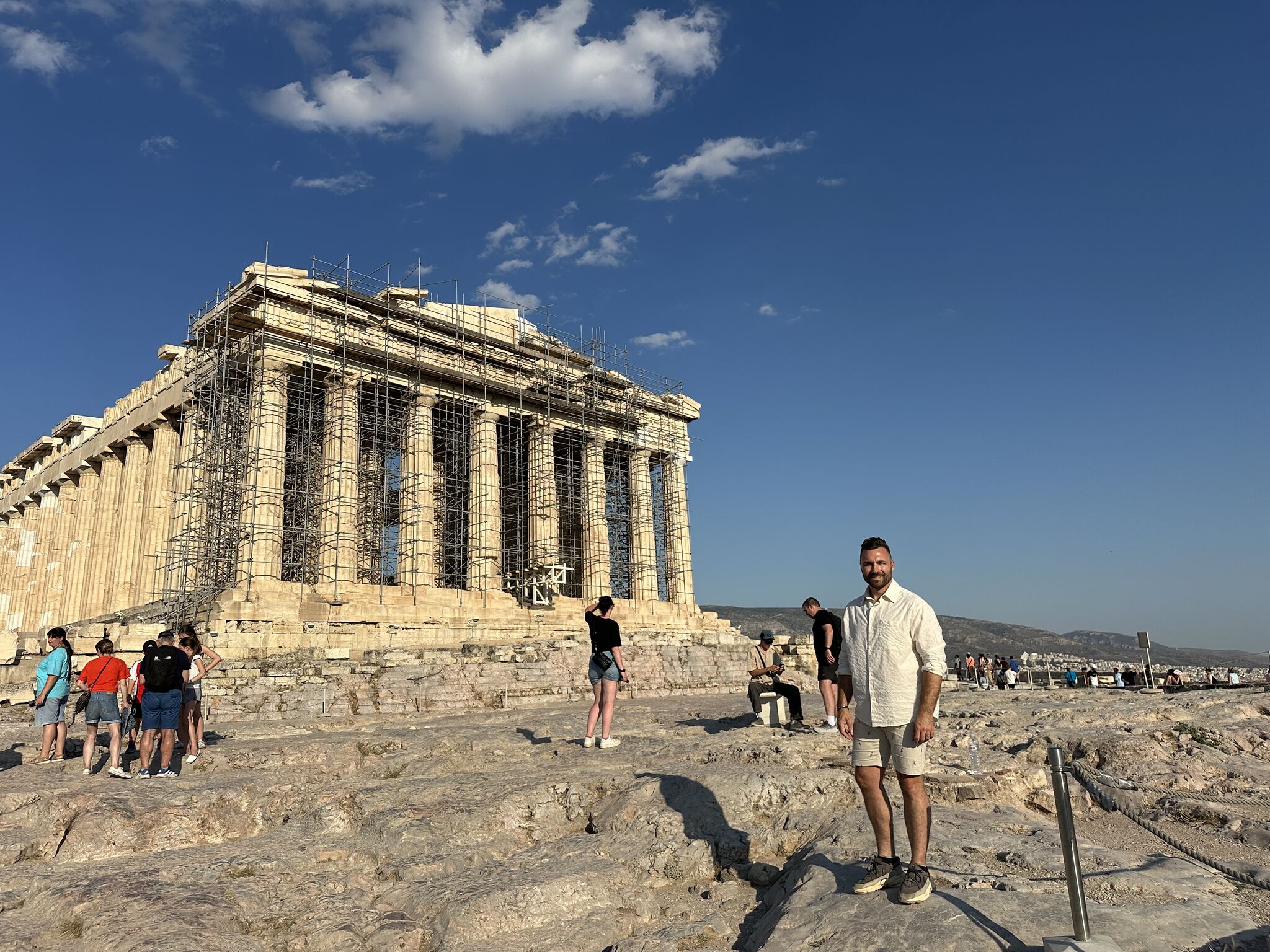
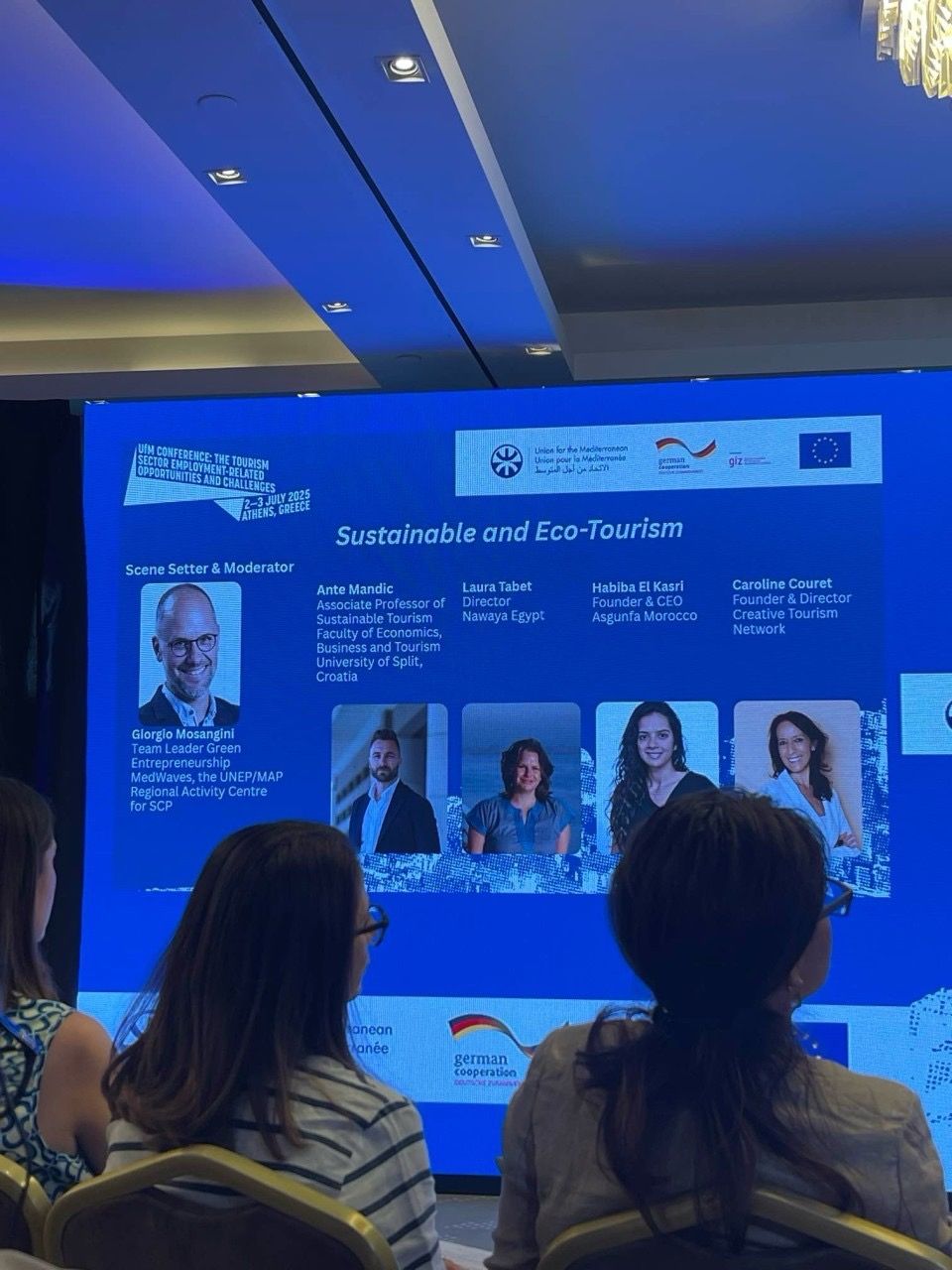
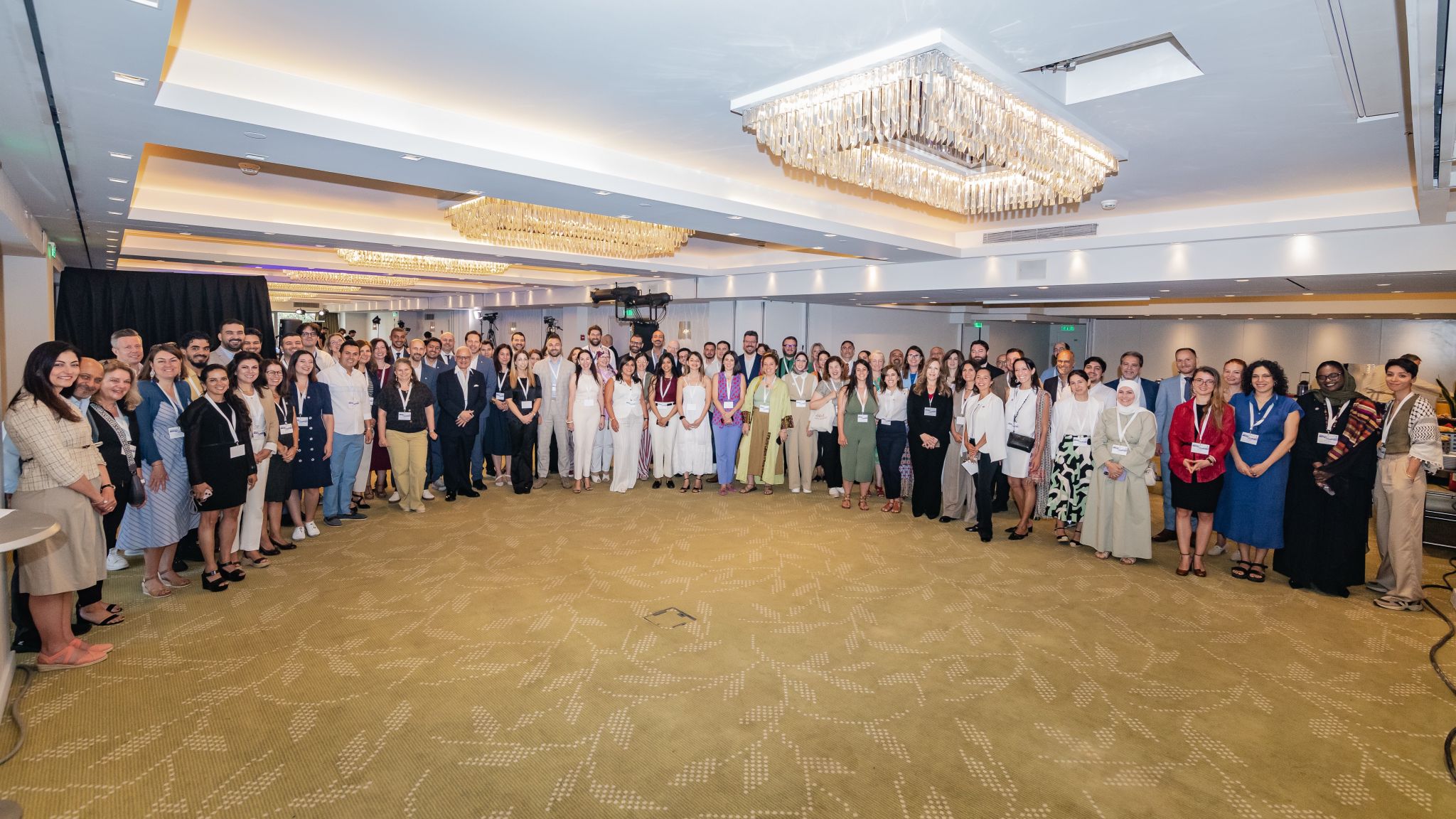
Earlier in July, in Athens, at the Union for the Mediterranean (UfM) Conference co‑organized with the European Commission and Deutsche Gesellschaft für Internationale Zusammenarbeit (GIZ), practitioners and policymakers from across the region came together to address the practical realities of implementing sustainable tourism strategies. The consensus was clear — sustainability and profitability are not opposing forces but mutually reinforcing pillars of competitive tourism. As discussions highlighted, data‑driven strategies and innovative business models are reshaping the sector toward resilience and community value, rather than viewing responsible practices as optional. My reflections from this event are here:
🔗https://www.linkedin.com/posts/ante-mandi%C4%87-b1398850_sustainabletourism-mediterranean-ecotourism-activity-7347319776945344512-xjjV?utm_source=social_share_send&utm_medium=member_desktop_web&rcm=ACoAAArSsD8B_pCxUV1GHvvHBZLpg8NqKnYJ3sY
Reimagining Tourism’s Role in Nature Positive Pathways
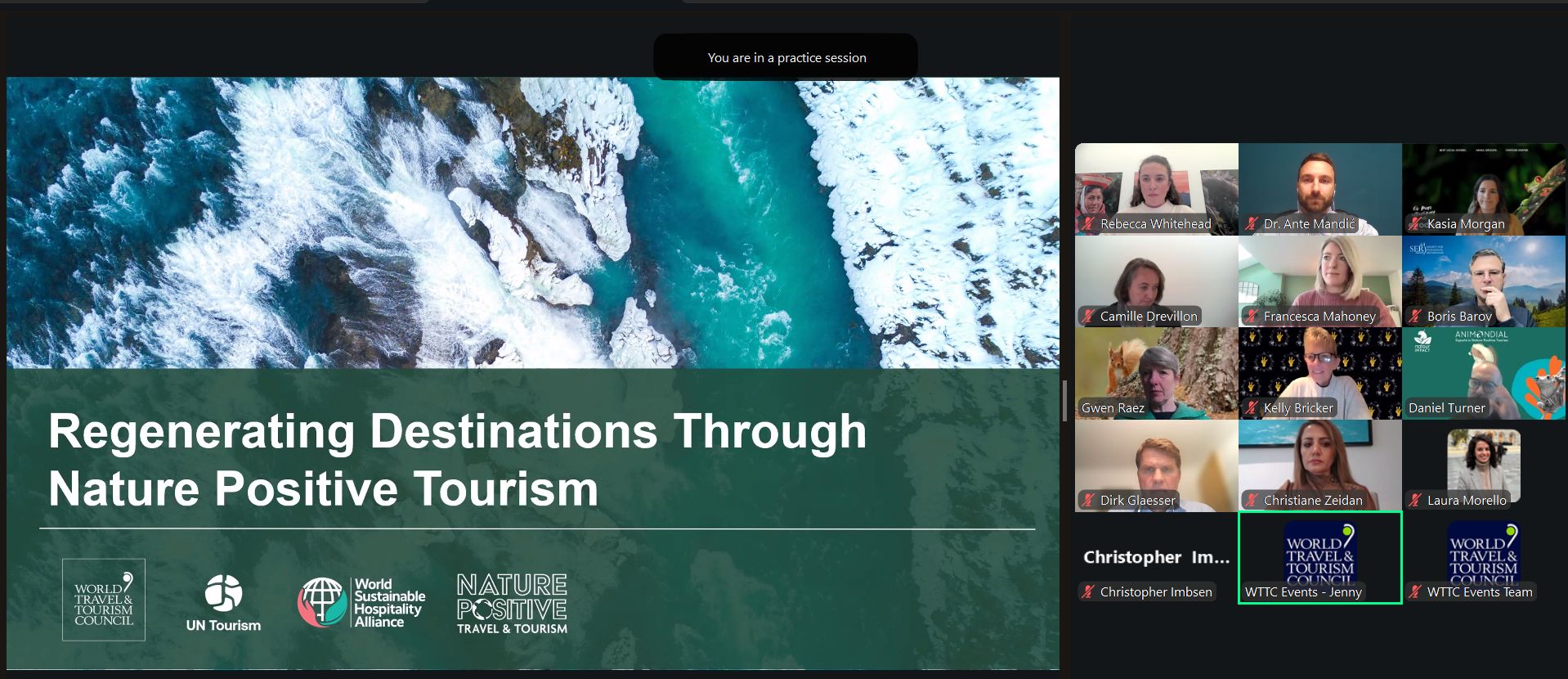
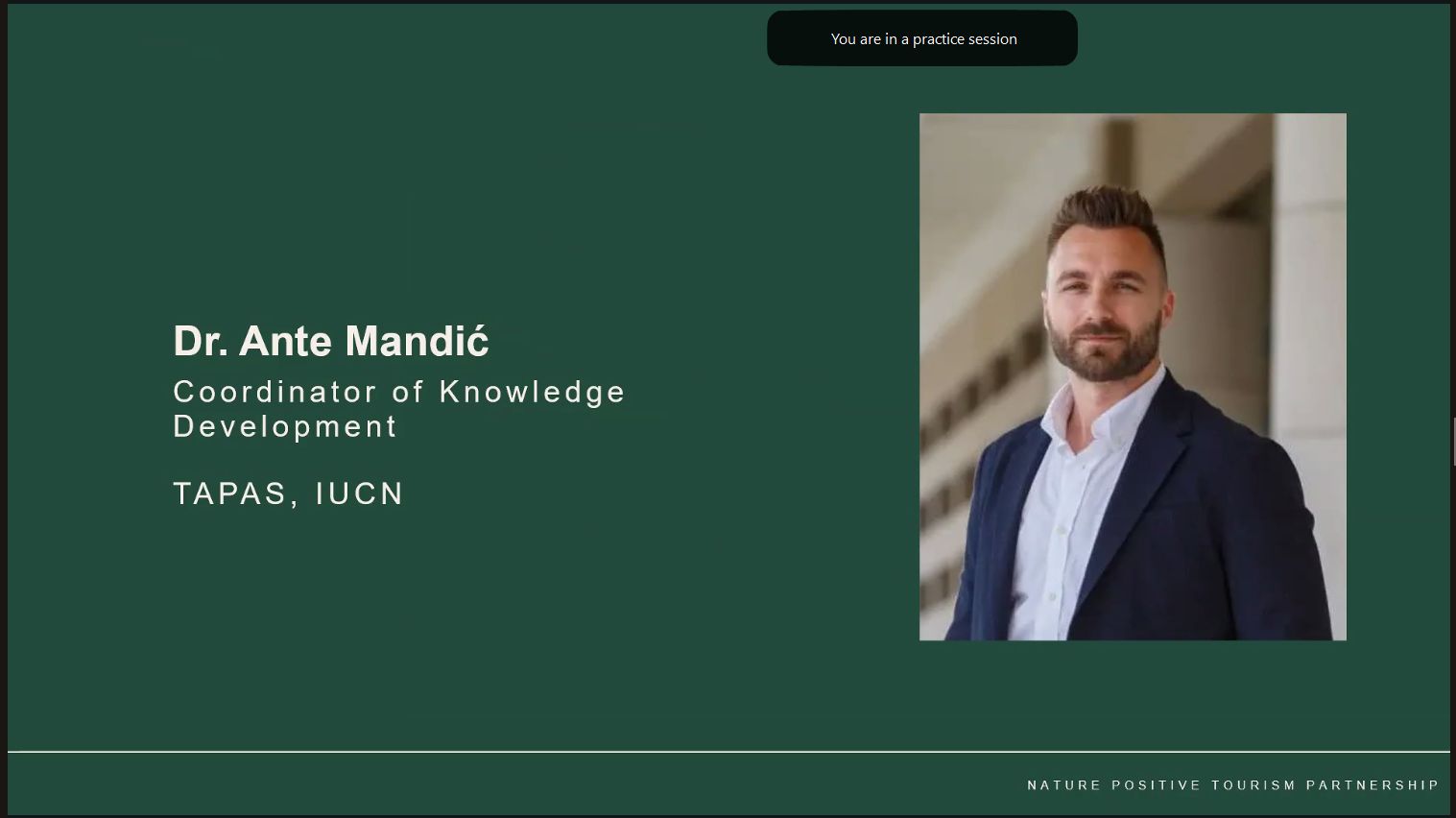
Together with the World Travel & Tourism Council (WTTC), UN Tourism, Global Sustainable Tourism Council, and World Sustainable Hospitality Alliance, I participated in a Nature Positive Tourism dialogue that pushed the conversation beyond mitigation toward regeneration. The conversation emphasized the emerging consensus that tourism must advance beyond mitigation toward regeneration — generating positive impacts for biodiversity, ecosystems, and local communities. Aligning industry commitments with science‑based indicators and performance frameworks was a key theme, signaling a shift toward purposeful tourism governance. My reflections from this engagement are here:
🔗https://www.linkedin.com/posts/ante-mandi%C4%87-b1398850_naturepositivetourism-iucn-wttc-activity-7397229997301764096-gEa5?utm_source=social_share_send&utm_medium=member_desktop_web&rcm=ACoAAArSsD8B_pCxUV1GHvvHBZLpg8NqKnYJ3sY
Integrating Tourism into Urban Governance in Split
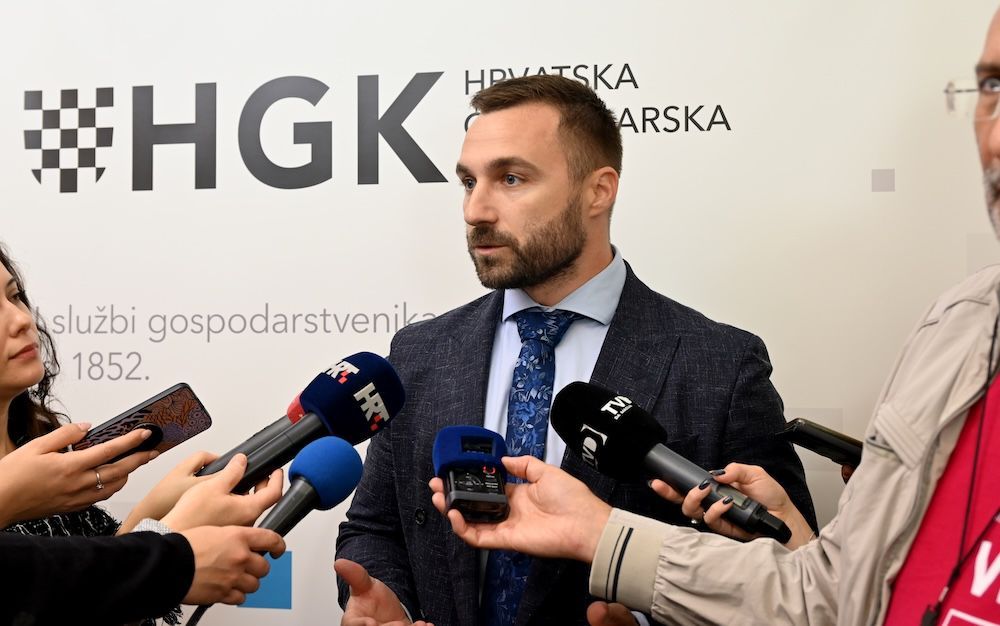
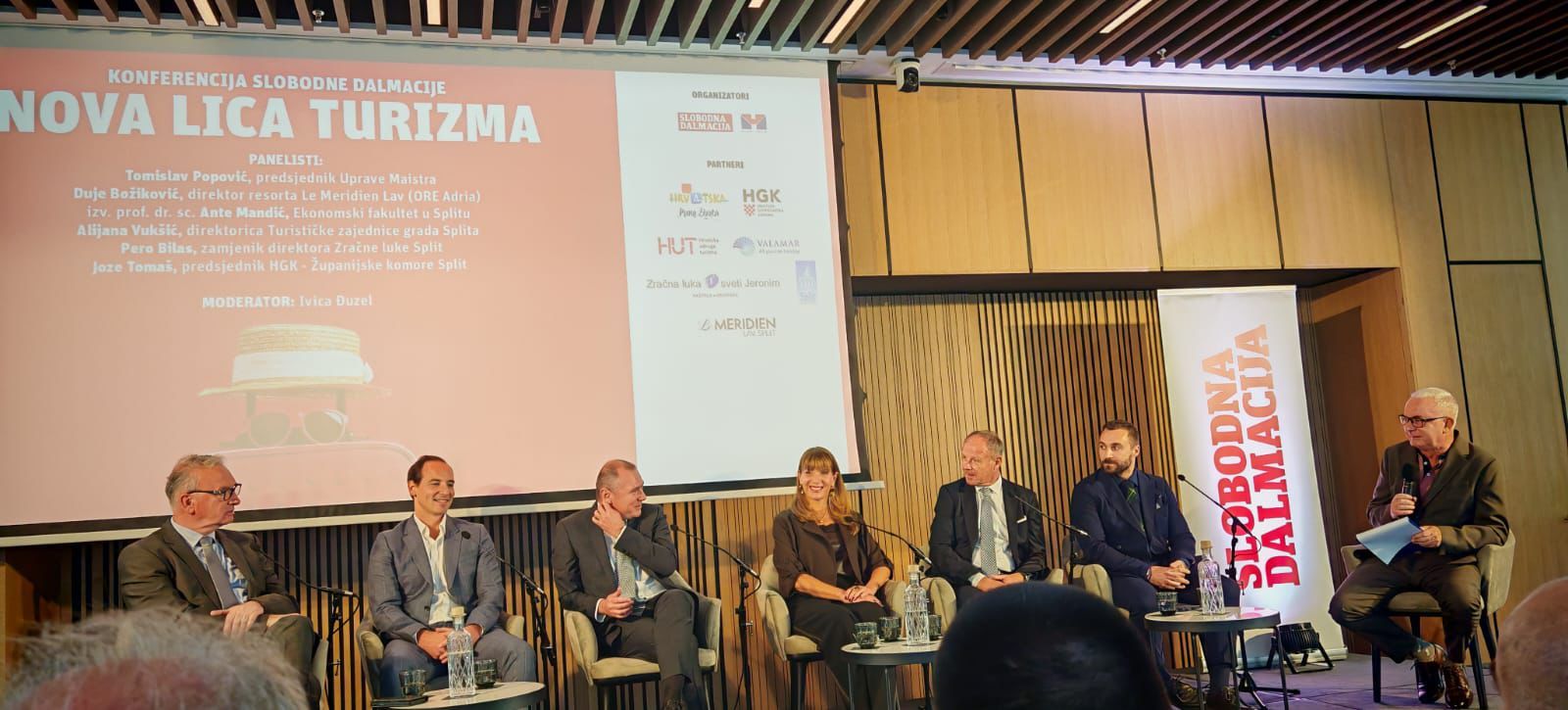
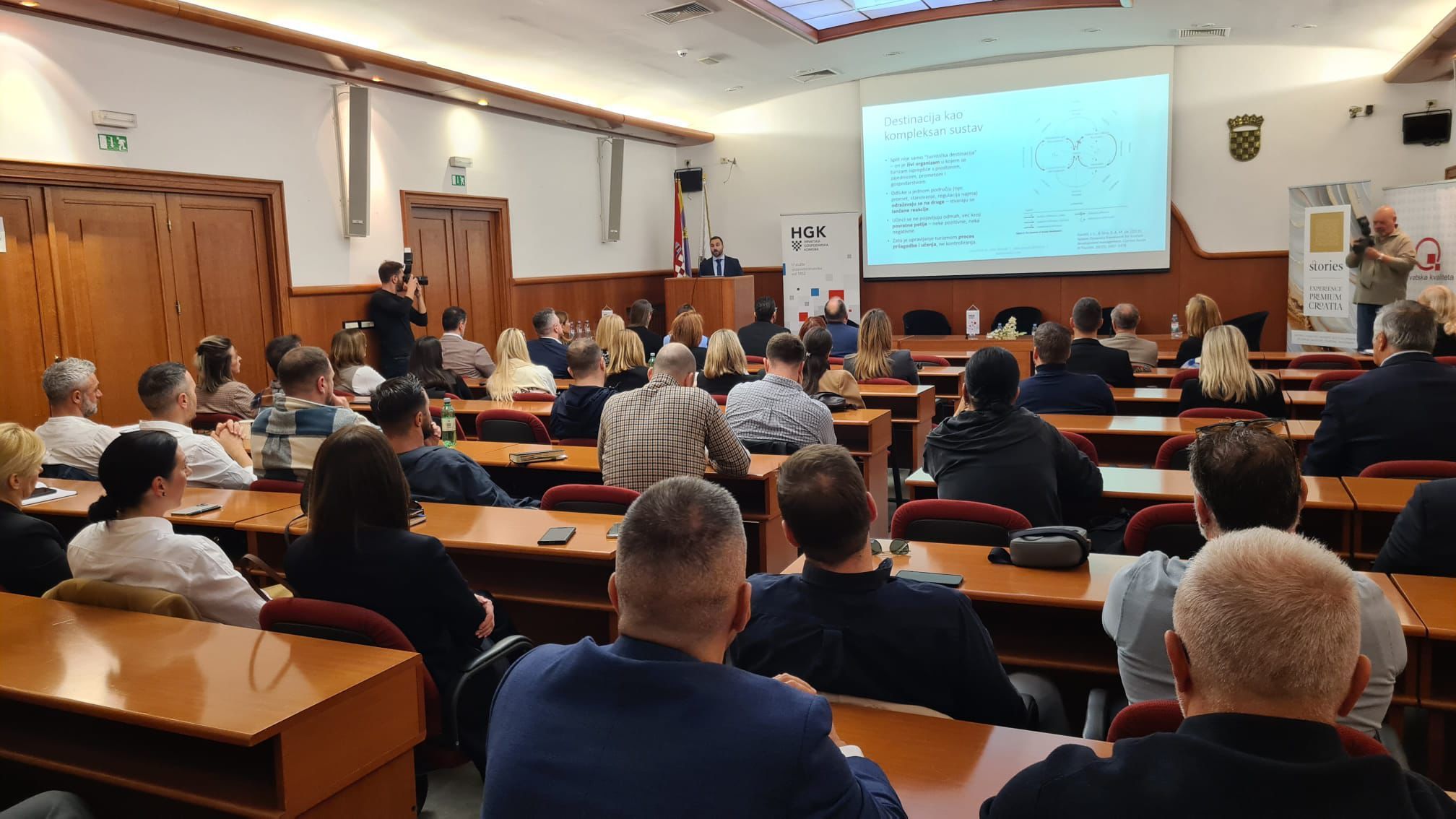
Closer to home, two policy dialogues in Split highlighted the importance of integrating tourism into broader urban governance and planning. In a city where tourism is not a sector but a condition of urban life, panels on destination planning and collaborative governance emphasized evidence‑based decision‑making and strategic long‑term urban vision. The message was clear: tourism must be embedded in city policies that prioritize shared responsibility, community wellbeing, and adaptive urban futures — not treated as a standalone activity.
🔗https://www.linkedin.com/posts/ante-mandi%C4%87-b1398850_tourismgovernance-urbantourism-destinationplanning-activity-7396539615861542912-xr1v?utm_source=social_share_send&utm_medium=member_desktop_web&rcm=ACoAAArSsD8B_pCxUV1GHvvHBZLpg8NqKnYJ3sY
Crosscutting Insights: Reimagining the Governance of Tourism
1. Governance Is Not an Add-On — It Is the System
From international biodiversity frameworks to urban destination planning, one truth resonates: tourism cannot deliver on sustainability unless it is governed differently. Governance must shift from fragmented and reactive to integrated, anticipatory, and justice-oriented. This means aligning institutions, policies, and actors around shared ecological and social thresholds — and ensuring transparency, legitimacy, and local agency in decision-making.
2. Data Without Accountability Is Hollow
Ambitions for sustainable tourism will falter without robust, transparent systems for monitoring, measuring, and reporting impacts. The EU Parliament dialogue made it clear: performance indicators are not just technical tools — they are political instruments that define what matters, who benefits, and who is held responsible. Without harmonized, evidence-based monitoring, we are navigating blind.
3. Regeneration Must Replace Growth as the Guiding Logic
Tourism can no longer be content with “doing less harm.” If it is to have a legitimate place in a nature-positive future, it must actively repair ecological damage, redistribute benefits, and enhance social-ecological resilience. Regenerative tourism is not a niche — it is a governance imperative that demands structural realignment of incentives, investment flows, and community engagement.
These five events — from Split to Brussels, Abu Dhabi to the Mediterranean coast — underscore a common call: to redesign tourism as a system of stewardship, responsibility, and ecological reciprocity. What emerges is not just a more sustainable tourism sector, but a more just, resilient, and future-fit society.
Photos from all five events are below.


 antemandic