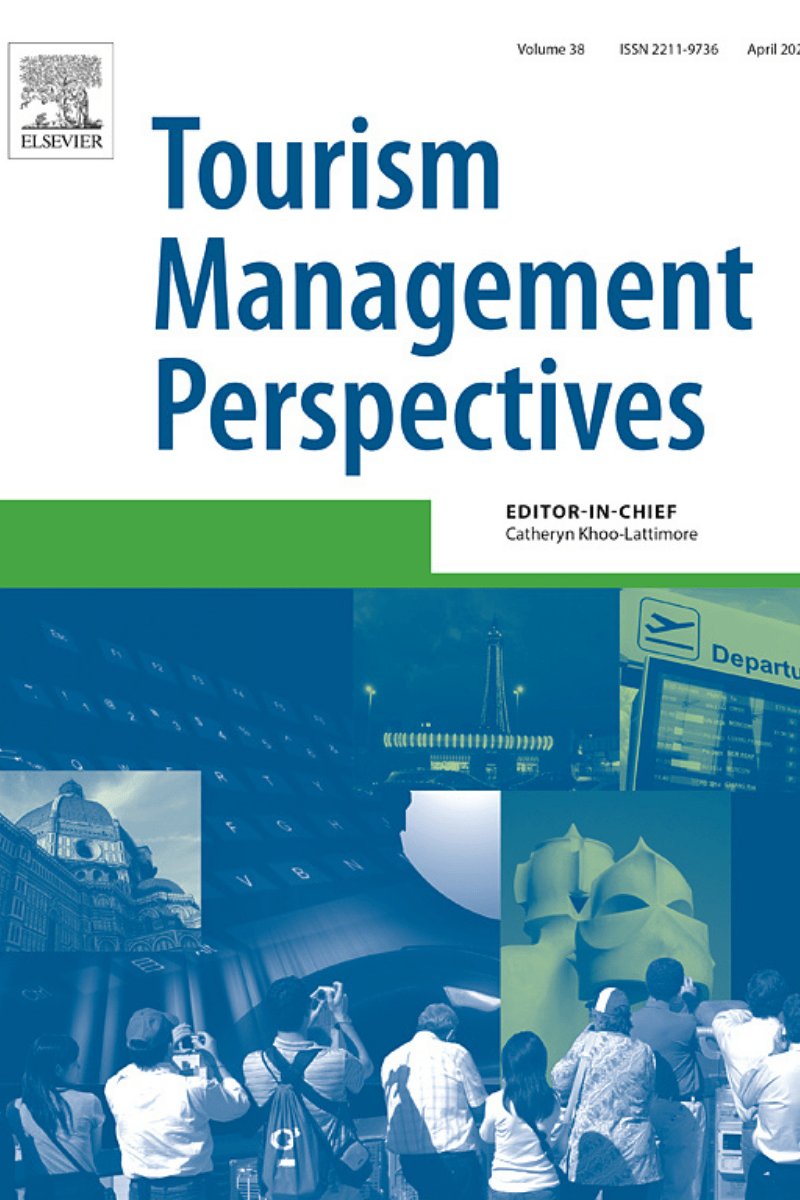
Published in: Tourism Management Perspectives (2025)
DOI: 10.1016/j.tmp.2024.101331
Overview
In a world where cultural tourism faces growing challenges—from overtourism to global crises—how can destinations strike a balance between sustainability and resilience? My latest co-authored study explores this critical question through the lens of the Split Metropolitan Area Living Lab, Croatia.
This research delves into the transformative potential of Living Labs (LLs) as collaborative innovation ecosystems, emphasizing their role in aligning stakeholder priorities, enhancing community engagement, and fostering sustainable cultural tourism development.
Key Findings
- Living Labs as Innovation Hubs:
LLs provide platforms for co-creation, enabling stakeholders to test and refine sustainable tourism solutions in real-world contexts. - Stakeholder Collaboration:
- Effective partnerships among public, private, and community actors (3P partnerships) are essential for bridging gaps between theory and practice.
- Local ownership and engagement, particularly among youth, are critical for long-term resilience.
- Balancing Sustainability and Resilience:
- Sustainability: Focused on preserving cultural heritage and minimizing environmental impacts.
- Resilience: Ensuring adaptability to crises, such as economic downturns or global pandemics.
The study underscores the need to integrate these concepts for robust tourism strategies.
- Challenges Identified:
- Lack of cohesive branding for cultural tourism in the region.
- Difficulty transitioning from mass tourism to high-value, low-volume models.
- Insufficient investment in community education and capacity building.
Why This Matters
Cultural tourism destinations like Split face mounting pressures to adapt to a changing world. This study offers critical insights into:
- Reimagining Tourism Models: Moving beyond mass tourism toward more sustainable, high-value practices.
- Strengthening Local Economies: Empowering communities through heritage preservation and innovative visitor experiences.
- Building Crisis Resilience: Ensuring cultural tourism can adapt and thrive in the face of global challenges like pandemics and climate change.
By leveraging the Living Lab framework, destinations can align sustainability and resilience goals, creating pathways for long-term success.
Practical Implications
This research offers actionable recommendations for policymakers, practitioners, and local communities:
- Foster 3P Partnerships:
Encourage collaboration among public, private, and community stakeholders to co-create impactful cultural tourism strategies. - Invest in Community Engagement:
Promote heritage education, particularly among youth, to foster local ownership and pride. - Adopt Low-Volume, High-Yield Tourism Models:
Shift from mass tourism to personalized, immersive experiences that prioritize cultural authenticity. - Cohesive Branding and Marketing:
Develop unified branding to position the Split Metropolitan Area as a leading cultural tourism destination.
Keywords
Cultural tourism, sustainability, resilience, Living Labs, stakeholder collaboration, Split Metropolitan Area.
How to Cite This Research
If you reference this work, please use the following citation:
Mandić, A., Petrić, L., Pivčević, S. (2025). Harmonizing sustainability and resilience in post-crisis cultural tourism: stakeholder insights from the Split Metropolitan Area Living Lab. Tourism Management Perspectives, 55, 101331.
https://doi.org/10.1016/j.tmp.2024.101331
Read the Full Study
Access the complete article here: Tourism Management Perspectives.
Join the Conversation
How can Living Labs revolutionize cultural tourism in your region? Share your ideas and experiences to help build a sustainable future for tourism.
Published article – https://www.sciencedirect.com/science/article/pii/S2211973624001144?via%3Dihub
 antemandic